/ By The Thyolo House
Mulanje Day Trips: A Tea Estate Host's Half-Day Loops
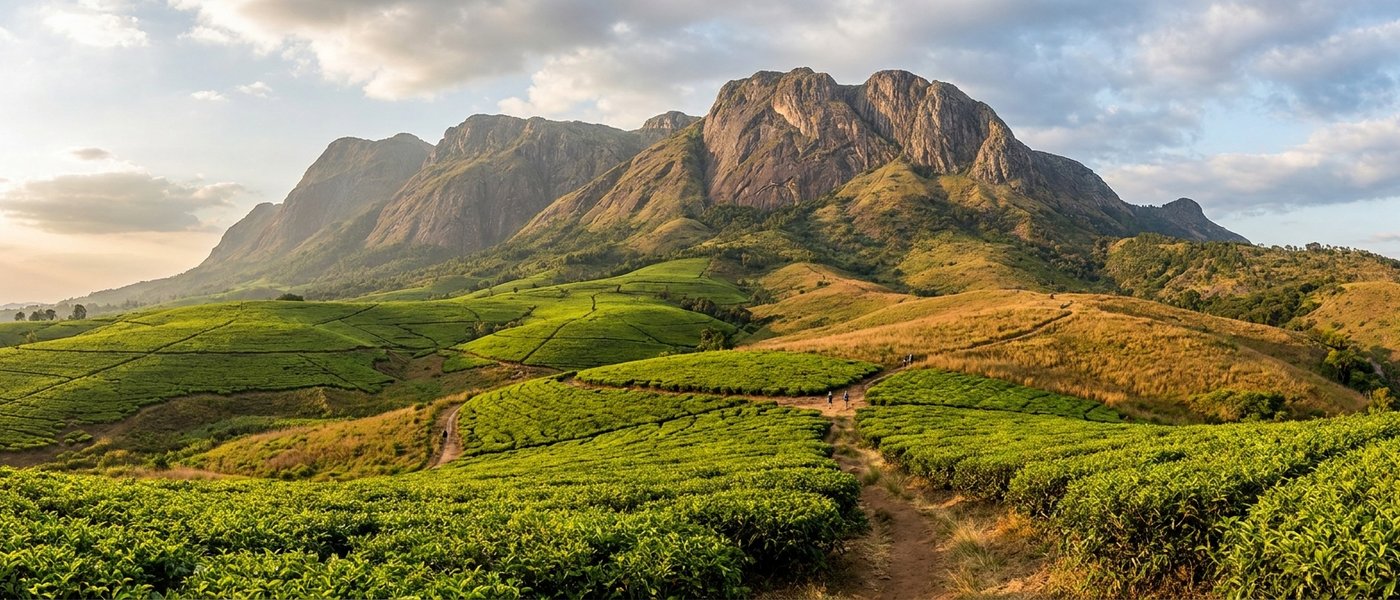
Most visitors arrive in Thyolo with a single line on their itinerary: "Mount Mulanje." It sits there, large and undefined, somewhere between a mountain and a mood. What we tell them — what we've learned from hosting walkers, climbers, birders, and a steady stream of guests who simply want to look at Mulanje without scaling it — is that the best Mulanje day trips are not the ones that try to swallow the mountain whole. They are the half-day loops. Out by mid-morning, back at The Thyolo House for a swim and a late lunch, then a second small loop after the heat breaks. That rhythm, repeated across two or three days, gives you more of Mulanje than any single twelve-hour push ever will.
This guide is a collection of the half-day routes we send guests on, drawn from years of running a small boutique hotel on the historic Conforzi Tea Estate, forty minutes from the foot of the mountain. None of these Mulanje day trips require a permit, a porter, or a pre-dawn start. All of them end with you back through our gate before the road gets dark.
Why Half-Day Loops Beat Full-Day Mulanje Trips
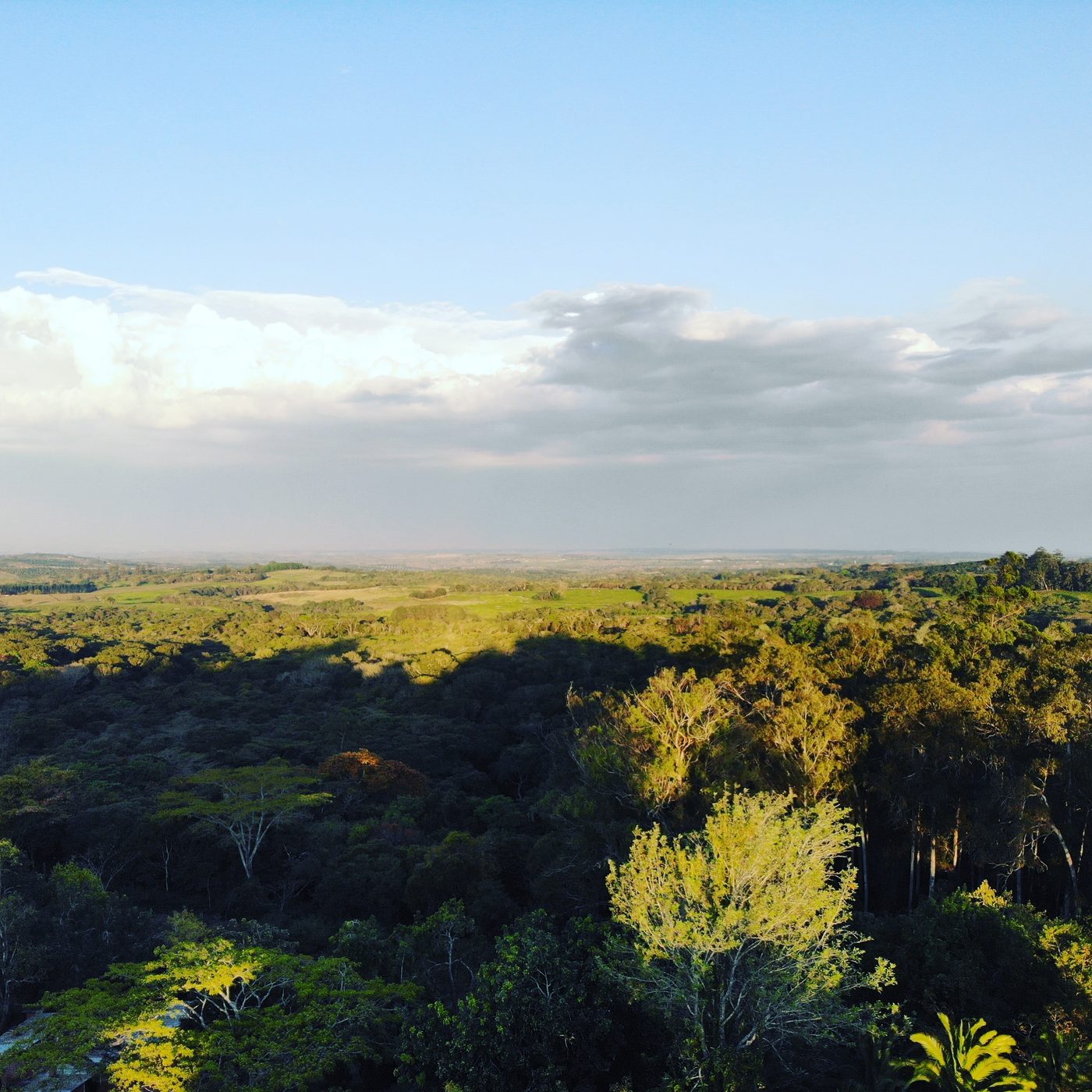
The Mulanje Cultural Landscape was inscribed as a UNESCO World Heritage Site in July 2025, and the mountain has had a busy year of attention since. More guides, more visitors, more talk of summit attempts on Sapitwa Peak. The temptation, when you have only a few days in southern Malawi, is to try and do too much in one go: leave at five, hike up the Skyline Path, hope for clear weather at Chambe, descend exhausted, and write off the rest of the day. We've watched guests return from those attempts dehydrated, sunburned, and quieter than they meant to be.
The mountain has a different pace. Cloud builds on the plateau by late morning. Afternoon rain in the wet season is reliable. The forest changes light every twenty minutes. A half-day loop — three or four hours including the drive — respects that pace. You get the views, the waterfalls, the tea-bush horizons, and you leave before the mountain closes up. For a fuller picture of what's possible across a longer stay, our main guide to Mulanje day trips walks through the planning side in more depth. The loops below are the ones we use most often.
Loop One — Likabula Falls Before Lunch (45 min drive from The Thyolo House)
This is the loop we suggest first to almost every guest. From the estate, you turn left out of our gate, follow the Thyolo–Mulanje road through the tea, and reach the Likhubula Forestry Office in under an hour if you don't stop for photographs (which you will). The forestry office is the official trailhead — there's a small fee, currently around USD 5 per visitor, and a guide can be arranged on the spot for roughly USD 15 to USD 20 for the morning. Take one. The path is well marked but a guide opens up the forest in a way a map cannot.
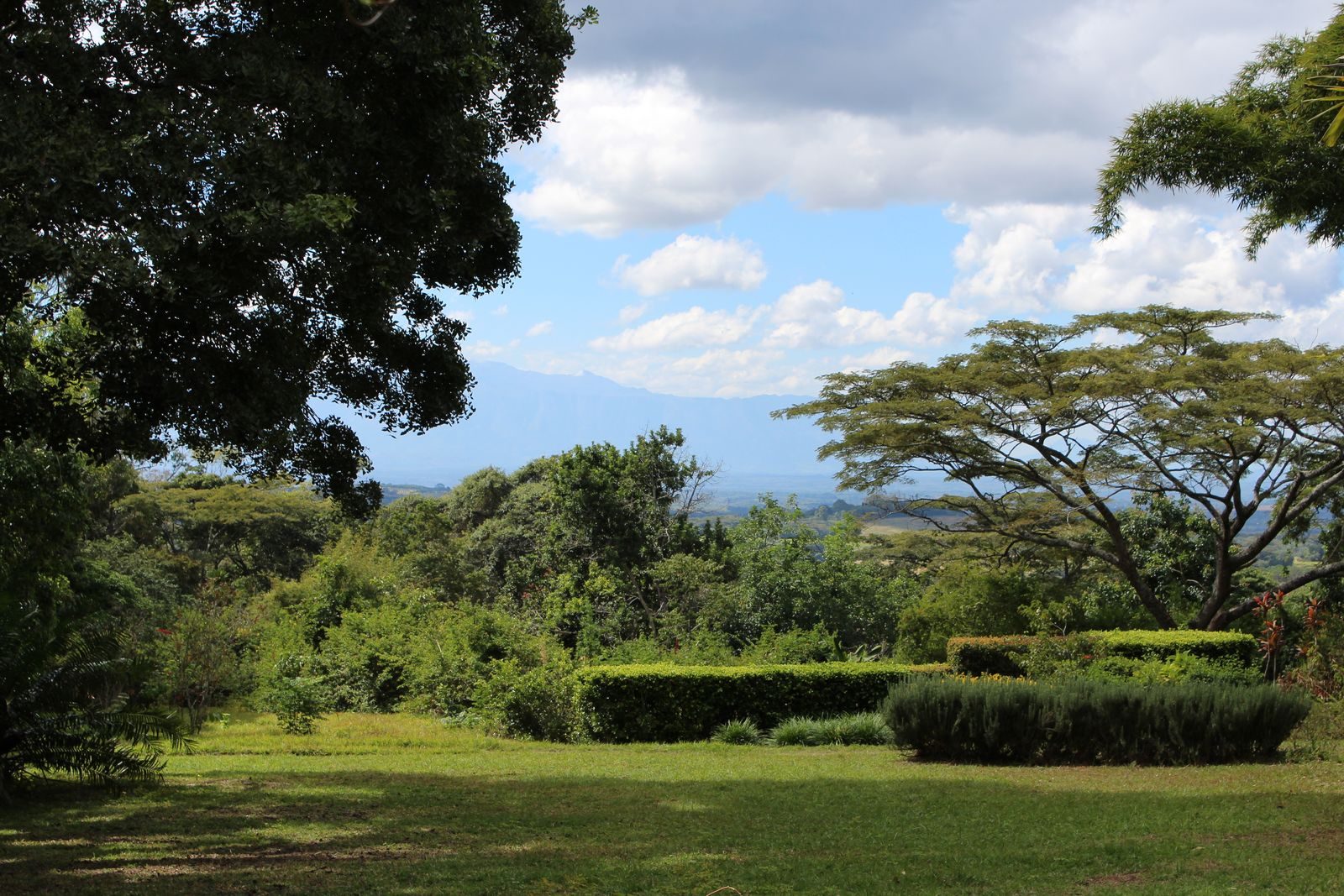
The walk to the upper pools at Likabula Falls is about an hour each way at an unhurried pace. Cedar and Mulanje pine on the lower slopes, then mossier indigenous forest as you climb. The pools themselves sit in a fold of granite, cold and clear and deep enough to swim. Most guests budget two hours of walking and an hour at the water. That puts you back at the car by half past twelve, back through the tea by half past one, and at our table by two. A long lunch in the garden, then the pool. We've written a longer dispatch on this specific walk in our Likabula Falls guide — worth reading the night before you go, particularly the notes on which shoes to wear.
What this loop is good for
- First-time visitors to Mulanje who want a postcard moment without the commitment of a hut booking
- Families with older children (anyone over about eight handles the path well)
- Couples who want a swim somewhere wild before lunch
- Photographers — the light through the canopy between nine and eleven is excellent
Loop Two — Fort Lister Gap and the Forgotten Pass (a quiet afternoon route)
Fort Lister Gap is the saddle on the north-eastern side of Mulanje, between the main massif and Mchese Mountain. There's a colonial-era ruin there — a small stone outpost the British built in the 1890s — and a forestry road that climbs into one of the quietest sections of the reserve. From The Thyolo House it's about an hour and a quarter to drive, going through Mulanje town and then turning north along the eastern flank of the mountain. Most Mulanje day trips never come this way. That's the point.
We send guests here as an afternoon loop, leaving the estate around one and arriving at the gap by half past two. The walking is gentle — an hour of forest road, then a smaller path that contours along the foot of the cliffs with views back across the Phalombe plain. There's a small village near the trailhead where you can usually find someone happy to walk with you for a few thousand kwacha. By half past four you're back at the car. The drive home in the late light, through the tea estates either side of Mulanje town, is part of the reason to come.
Our longer write-up of this route — including the history of the fort and which sections of the path tend to overgrow in the rains — sits in our Fort Lister nature walk guide. Read it before you go. The directions on Google Maps stop being reliable about ten kilometres before the gap.
A note on guides for this loop
Unlike Likabula, there's no formal office at Fort Lister. You're hiring informally, and the rate should reflect that — USD 10 to USD 15 for the afternoon is fair, plus a small tip if the person was useful. Bring small kwacha notes. We can ring ahead from the estate to a contact in the village who'll meet you at the road if you'd like that arranged before you leave.
Loop Three — Lujeri Tea Estate and the Lower Forest Walks
Lujeri sits on the south-western side of Mulanje, on land that has grown tea continuously since the 1950s. It's a working estate, but they run a small tour operation: a walk through the factory, a tasting in the colonial-era guest house, and access to a series of paths that climb gently from the tea fields into the lower forest of the mountain itself. From The Thyolo House it's a fifty-minute drive — slightly further than Likabula, on a road that's better surfaced for most of the way.
The tea tour itself is around USD 20 per person and usually takes about ninety minutes. After that, ask whether the forest walk to the lower waterfall is open — it depends on rain and on whether the path has been recently cleared. When it is, it's an hour of easy walking through a stretch of indigenous forest that feels older than the tea around it. Sycamore figs, the occasional turaco, butterflies in the patches of sun. We sometimes pair this loop with a packed lunch from our kitchen rather than coming straight back; there's a quiet picnic spot near the tasting room they don't mind guests using.
Costs at a glance for this loop
- Tea tour and tasting: roughly USD 20 per person
- Optional forest walk: usually included if you've done the tour
- Driver from the estate, if you don't have a car: arranged on request, around USD 40 round trip
- Packed lunch from our kitchen: ask the night before
Loop Four — Mulanje Town, the Trading Centre, and Cedar Carvers
Not every Mulanje day trip needs a footpath. Some of our favourite afternoons with guests have been spent in Mulanje town itself — the trading centre, the market on the main road, the small cluster of carvers who still work in Mulanje cedar at the edge of town. The drive from The Thyolo House is about forty-five minutes, and the loop can be done in three or four hours including a stop for tea or a cold drink at one of the local cafés.
Mulanje cedar — the tree the mountain is named after — is now strictly protected. The carvers work only from salvaged wood and from small allocations released by the Mount Mulanje Conservation Trust. What they make ranges from small spoons and bowls to larger pieces that you'd need to plan how to ship home. Prices are negotiable but reasonable: a good bowl is around USD 15 to USD 30, depending on size and the grain of the wood. We have a few pieces around the house ourselves and can point you toward the carvers whose work we trust.
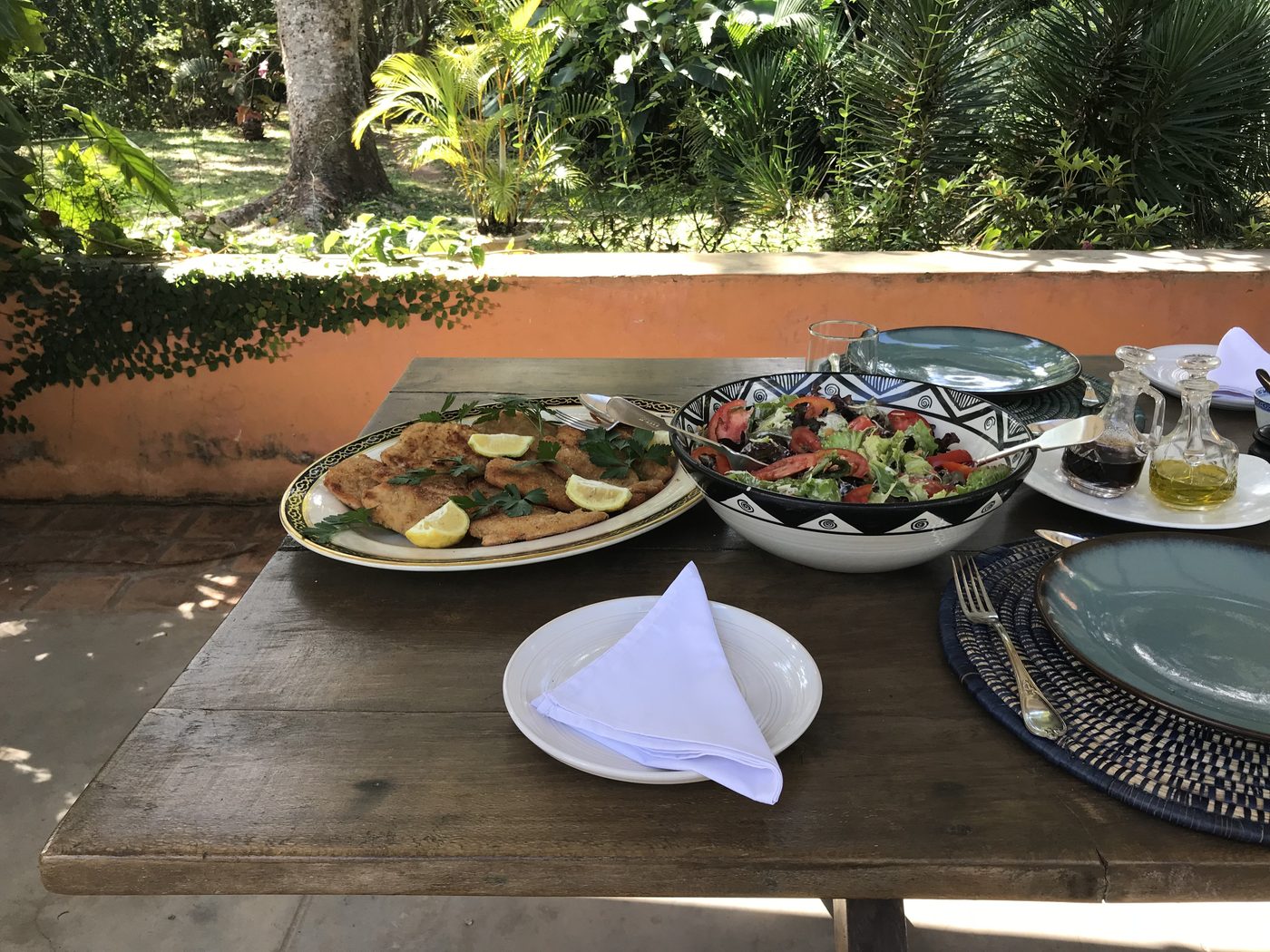
The market is also where most of our garden vegetables come from when our own beds don't supply enough — particularly the chillies and the heritage tomatoes that turn up in Flavia's Italian fusion kitchen through the cooler months. If you'd like to come along on a market run with us, we sometimes take guests; ask at breakfast.
What to Pack for a Half-Day in the Mulanje Foothills
The mountain has its own weather, and the foothills have a version of it. For any of these Mulanje day trips, we suggest the same small kit, regardless of season:
- Shoes with grip. Trail runners are fine for Likabula and Lujeri. Boots are better for Fort Lister.
- A light waterproof. Even in the dry months, mist on the upper paths is wet enough to soak through a t-shirt.
- At least 1.5 litres of water per person. The streams are clean higher up but not on the lower paths.
- A swimsuit. Three of these four loops have water you'll want to swim in.
- Small kwacha notes. For guides, market stalls, and the occasional path fee.
- Sunscreen and a hat. The sun at altitude is stronger than it feels.
- A torch. Not for the loop itself — for the drive home if you misjudge the light.
We keep a small lending stash at reception: spare rain jackets, a few daypacks, walking poles for guests who didn't pack any. Ask.
When to Drive Back — Light, Mist, and the Road from Mulanje to Thyolo
The single most useful piece of practical advice we give guests about Mulanje day trips: do not drive the Thyolo–Mulanje road after dark. It's a good tarred road for most of its length, but it carries a lot of foot and bicycle traffic in the early evening, and stretches of it have no shoulder. Aim to be off the mountain by four in the wet season and by half past five in the dry, and you'll have light all the way back to the estate.
Mist on the road is also worth planning around. Between June and August, the cool early mornings can sit a thick fog over the lower tea estates between Limbe and Thyolo. If you're driving in for an early Mulanje day trip, leave fifteen minutes earlier than the map suggests, and keep your headlights on through the tea even at nine in the morning. Local drivers do.
Where to Land Each Evening: Dinner and a Pool at The Thyolo House
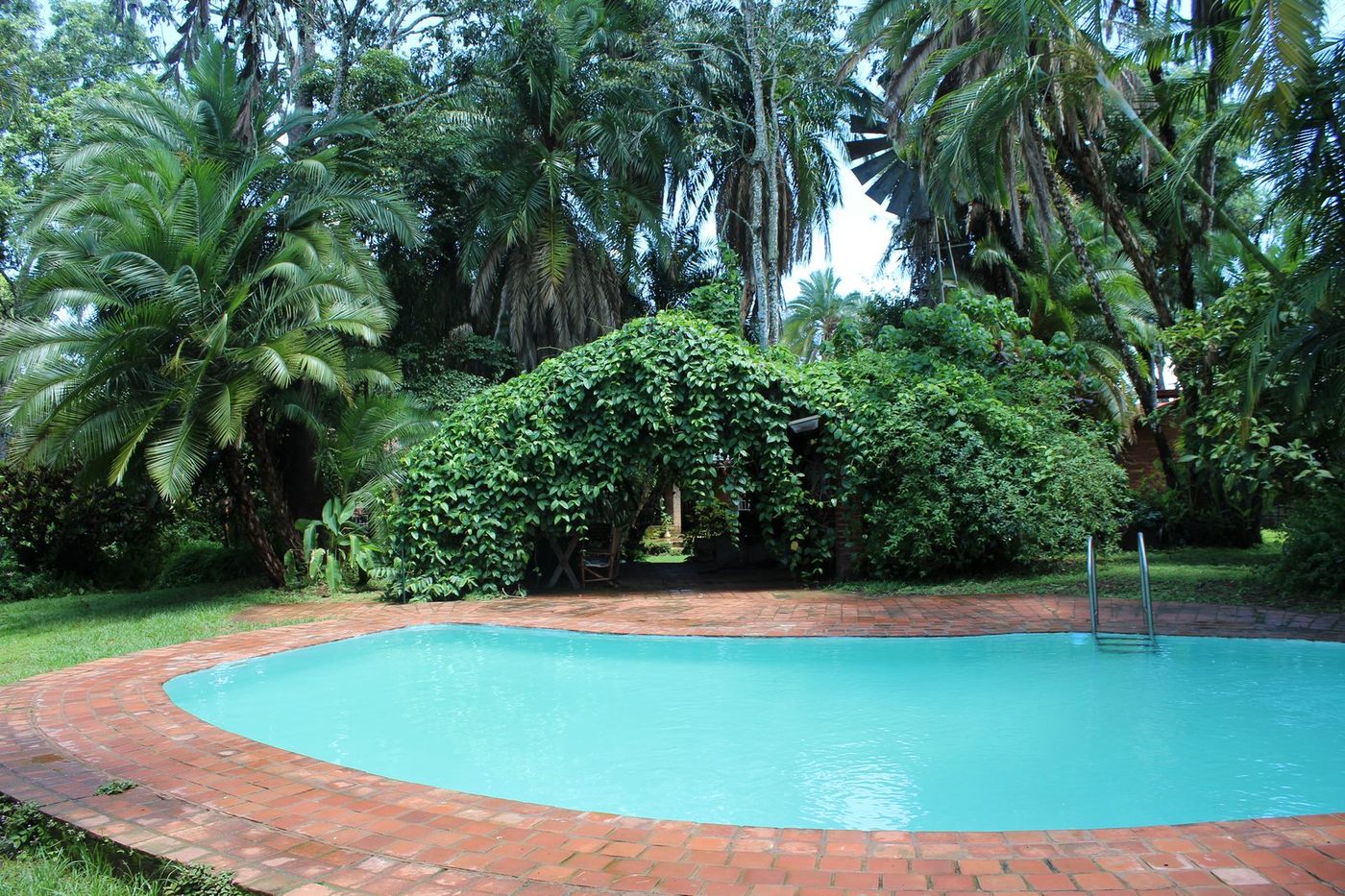
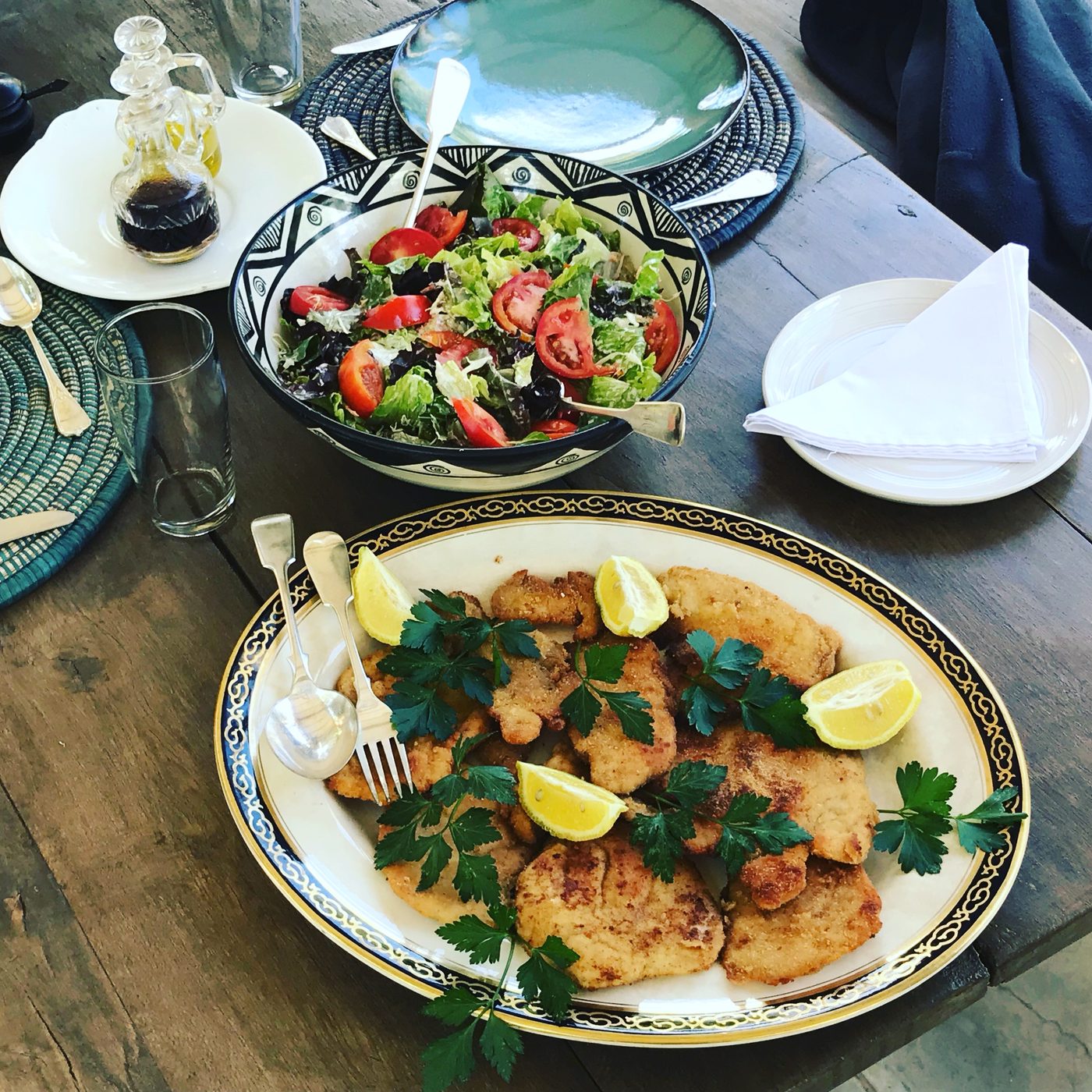
The reason we put together these half-day loops, rather than longer day trips, is that we genuinely believe an afternoon back at the estate is part of the experience. The mountain is best seen in pieces. Between them, a swim, a long lunch from the garden, a bottle of something cold under the bougainvillea, and dinner cooked from what came in from the beds that morning. Italian fusion, in Flavia's hands — the cotoletta is what guests ask for twice — but the menu shifts with the season and what the kitchen garden produced that week.
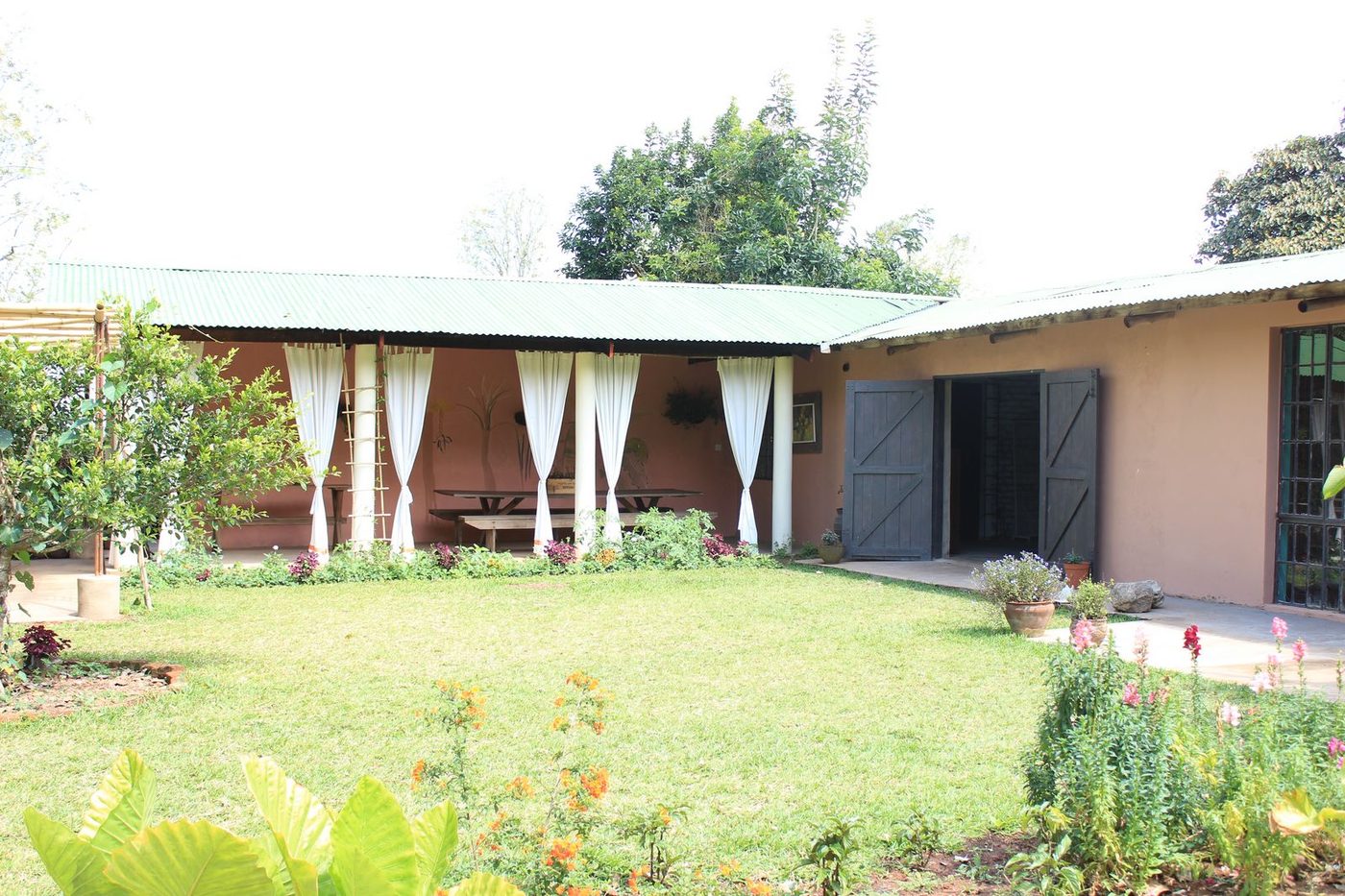
The Thyolo House has five rooms, each different, on the historic Conforzi Tea Estate. We're forty minutes from Blantyre, twenty from Limbe, and within a comfortable day-trip radius of all four of the Mulanje loops above. The pool is heated through the cooler months. The garden has paths through the tea that take an hour at a slow pace, and through the indigenous forest above the house that take longer if you want them to. If you're planning to base yourself somewhere for two or three days of Mulanje exploration, we'd suggest us — though we would, of course.
For room availability, a kitchen-garden lunch booking, or to ask us to arrange any of the guides and drivers mentioned in this piece, message us on WhatsApp on +265 884 202 040, or write to thethyolohouse@gmail.com. We answer the WhatsApp number ourselves, usually within an hour during daylight.
The mountain isn't going anywhere. Take it in halves. Come back for dinner.