/ By The Thyolo House
Mount Mulanje Hiking: Routes, Gear & Recovery Guide
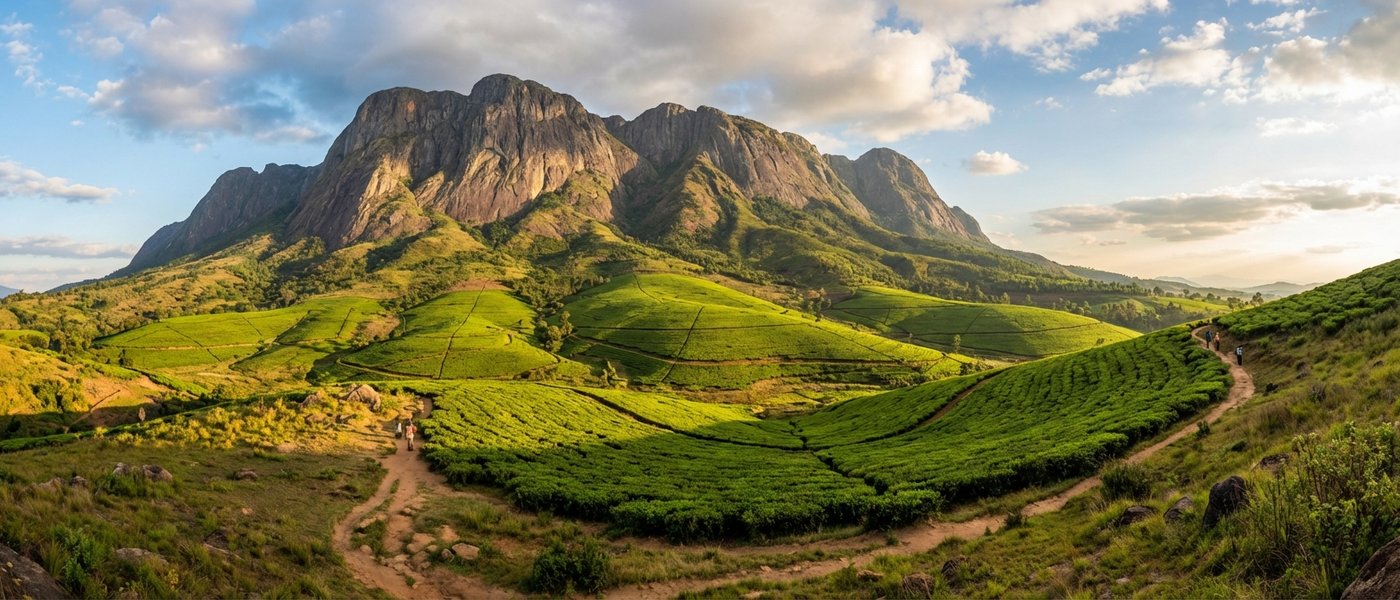
Mount Mulanje hiking is one of the most rewarding outdoor experiences in southern Africa — and one of the least crowded. Rising abruptly from the tea-covered plains of southern Malawi, the Mulanje Massif is a granite fortress of cloud forest, deep gorges, and plateaus that feel genuinely remote. At 3,002 metres, Sapitwa Peak is the highest point in south-central Africa, and the massif itself — roughly 22 by 26 kilometres — is one of the largest inselbergs on the planet. In July 2025, Mount Mulanje was inscribed as a UNESCO World Heritage Site, Malawi's third, recognised for both its extraordinary biodiversity and its cultural significance to the Yao, Mang'anja, and Lhomwe peoples. If you've been looking for a serious hike that hasn't been overrun by Instagram, this is it.
This guide covers everything you need to plan a Mount Mulanje hiking trip — routes from half-day walks to multi-day summit attempts, gear lists, permit logistics, the best season to go, and where to eat and sleep before and after the mountain. We've walked these trails and talked to the guides. Here's what we know.
Why Mount Mulanje Deserves a Place on Your Hiking List
Mulanje isn't a volcano or a gentle slope. It's a sheer-sided granite massif that erupts from the surrounding plains without warning, its cliffs rising over a thousand metres in places. The summit plateau is a different world — vast, rolling grassland broken by rocky peaks, cedar forests (the last remaining stands of the endemic Mulanje cedar), and streams that tumble off the edge into waterfalls you can hear but rarely see through the cloud. The terrain above 2,000 metres has been compared to the Scottish Highlands, though the sudden tropical downpours and the equatorial light are distinctly African.
With over 20 named peaks and 18 marked hiking routes, the massif offers everything from gentle half-day walks along forested paths to brutal multi-day scrambles involving rock faces and whiteout navigation. The mountain has real teeth — weather changes fast, mist rolls in without notice, and the trails above the tree line are exposed. But it rewards effort with solitude, staggering views, and the quiet satisfaction of hiking a mountain that most of the world has never heard of.
The Routes — From Half-Day Walks to Multi-Day Traverses
All routes on the massif begin or end at Likhubula Forest Station, the main access point on the southern side. This is where you pay your fees, hire guides, and start walking. The station is about 70 kilometres from Blantyre and well-signposted from Mulanje town.
The Skyline Path — Best Day Hike
If you only have a day, the Skyline Path is the one. Starting at Likhubula, you ascend through dense forest to the viewpoints near Chambe Hut, with the massive Chambe face — one of the longest rock faces in Africa — dominating the view to your left. The ascent takes three to four hours at a moderate pace. Return via the Chapaluka Path, which drops through pine forest and passes a small dam and several waterfalls. Total walking time is six to eight hours, and you'll gain and lose roughly 1,200 metres of elevation. It's a full day, but manageable for anyone with reasonable fitness and sturdy footwear.
The Likulezi Path to Sapitwa Peak — The Classic 3-Day Route
This is the route most people think of when they picture mount Mulanje hiking. It's a proper expedition in miniature — three days of hard walking through jungle, across plateaus, and up the rocky scramble to Sapitwa's summit.
- Day 1: Likhubula to Thuchila Hut via the Likulezi Path. A jungle route — steep, rooty, and relentless — that climbs through the cloud forest zone and emerges onto the plateau. Allow four to five hours. The trail can be slippery after rain, and the section through the cloud forest may involve scrambling over exposed roots in poor visibility.
- Day 2: Thuchila Hut to Sapitwa Peak, then on to Chisepo Hut. The summit push involves exposed rock scrambling for the final section. On a clear day, you can see Lake Chilwa, the Shire Valley, and — some claim — as far as Mozambique. Descend to Chisepo for the night.
- Day 3: Chisepo Hut back to Likhubula via the Chapaluka Path. A long descent, hard on the knees but beautiful, with the landscape shifting from bare granite through pine and eucalyptus to tropical lowland forest.
Total distance is roughly 35 to 45 kilometres depending on route variations, with around 2,000 metres of total ascent. This is not a stroll — expect steep, rocky terrain, river crossings, and the possibility of navigating in thick cloud.
Extended Traverses — 4 to 5 Days
Experienced hikers can extend the route to include more of the plateau, linking huts like Chinzama, Minunu, Sombani, and Lichenya. A full east-to-west or north-to-south traverse of the massif takes four to five days and covers some of the most remote terrain in Malawi. These routes are less traveled and require solid navigation skills — or, more practically, a good guide who knows the path markers.
For a detailed look at what each mountain hut offers and how to plan your overnight stops, see our guide to Mulanje mountain huts.
Permits, Porters & Practical Logistics
Mount Mulanje is managed by the Mulanje Mountain Conservation Trust (MMCT) and the Department of Forestry. Everything starts at the Likhubula Forest Tourism office, where you'll pay fees and arrange your support team.
Fees
- Entry fee: Approximately US$5 per person per day (government fee)
- Hut accommodation: K1,000 per person per night (roughly US$0.60 at current exchange rates)
- Camping: K500 per night per person
- Vehicle entry: K500
Note that kwacha-denominated fees may have adjusted since 2019, when these were last officially published. Dollar-denominated guide and porter fees have remained more stable.
Guides, Porters & Cooks
Guides are mandatory on Mount Mulanje. You cannot legally hike the mountain without one, and given the changeable weather, unmarked trail sections, and the real risk of getting lost in cloud, you shouldn't want to. Hire through the MMCT office at Likhubula, through your lodge, or arrange in advance.
- Mountain guide: US$25 per day
- Porter: US$20 per day
- Cook: US$25 per day
Two recommended guides with long track records on the mountain are Tadziwa (10+ years, English and Chichewa, phone: +265 882 841 066) and Robert (15 years, rope-access trained, phone: +265 884 063 887). Both are well known to regular hikers and come highly recommended by the mountain community.
For those who prefer a fully organised package, local operators like hikemulanje.com offer all-inclusive options. A full-service day tour runs around US$75 per person including lunch, guide, and transport. A three-day package for two people costs approximately US$350 and includes food, guide, porter, cook, park fees, and sleeping bags. Mountain Club of Malawi members receive a 50% discount on government fees.
If this is your first time on the massif, our Mount Mulanje for beginners guide breaks down everything you need to know before your first step on the trail.
What to Pack for Mount Mulanje Hiking
The mountain has a reputation for punishing underprepared hikers. Temperatures on the plateau drop sharply after sunset — expect near-freezing conditions at altitude between June and August — and rain can arrive at any time of year. Packing right makes the difference between a memorable hike and a miserable one.
Essential Gear
- Boots: Sturdy, ankle-supporting hiking boots with good grip. The trails are rocky, rooty, and often wet. Trail runners are not enough for the summit routes.
- Rain jacket: Non-negotiable, any time of year. A lightweight waterproof with sealed seams.
- Warm layers: Fleece or down jacket, plus a thermal base layer. Evenings in the huts are cold, and summit mornings can be bitterly so.
- Sleeping bag: If not included in your package, bring one rated to at least 0°C. Huts have beds and mattresses but no bedding.
- Headlamp: Essential. Huts have no electricity, and early summit starts mean walking in the dark.
- Water bottle or hydration bladder: Mountain streams are safe to drink, but carry at least 2 litres at all times. The plateau can be dry between water sources.
- Sun protection: Hat, sunscreen, and sunglasses. The equatorial sun at altitude is fierce, and there's little shade above the tree line.
Nice to Have
- Trekking poles: Hugely helpful on the steep descents, particularly the Chapaluka Path.
- Gaiters: Useful in the cloud forest section, where trails can be muddy and overgrown.
- Dry bags: For keeping electronics and spare clothes dry. It rains hard and fast.
- Camp stove and cooking gear: If you haven't hired a cook, huts have cooking facilities but no fuel.
- First aid kit: Basic supplies plus blister treatment and any personal medications. There is no medical facility on the mountain.
What NOT to Pack
Cotton clothing (it holds moisture and won't dry), heavy jeans, bulky camping gear you won't use (the huts are equipped), and anything you're not willing to carry up 2,000 metres of elevation gain.
Best Time of Year to Hike Mulanje
Mount Mulanje can be hiked year-round, but the experience varies dramatically by season.
- May to October (dry season): The best months for hiking. Clear skies, minimal rain, and the best summit views. June to August are the coolest months — warm days but cold nights on the plateau (down to 2–5°C). September and October warm up and are excellent for visibility but can be dusty on lower trails.
- November to April (wet season): Hot, humid, and wet. Afternoon thunderstorms are almost daily. Trails become slippery, river crossings can be dangerous, and the cloud forest lives up to its name — expect near-zero visibility at times. The mountain is at its greenest and most dramatic, but the risks are real. Experienced hikers only.
The sweet spot for most visitors is June to September — dry, cool, and manageable. If you're flying into Malawi specifically to hike Mulanje, plan your trip around these months.
Where to Stay Before and After Your Hike
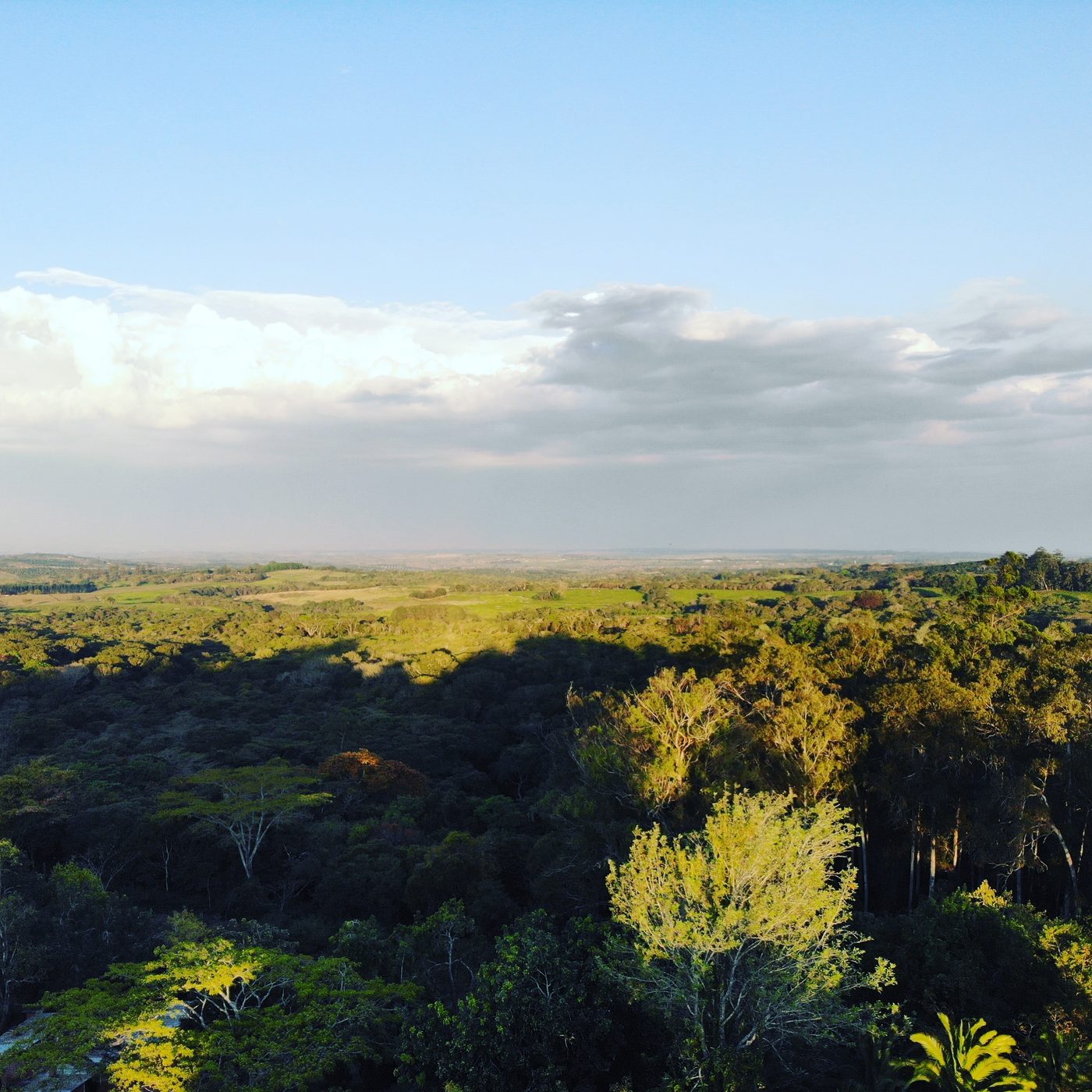
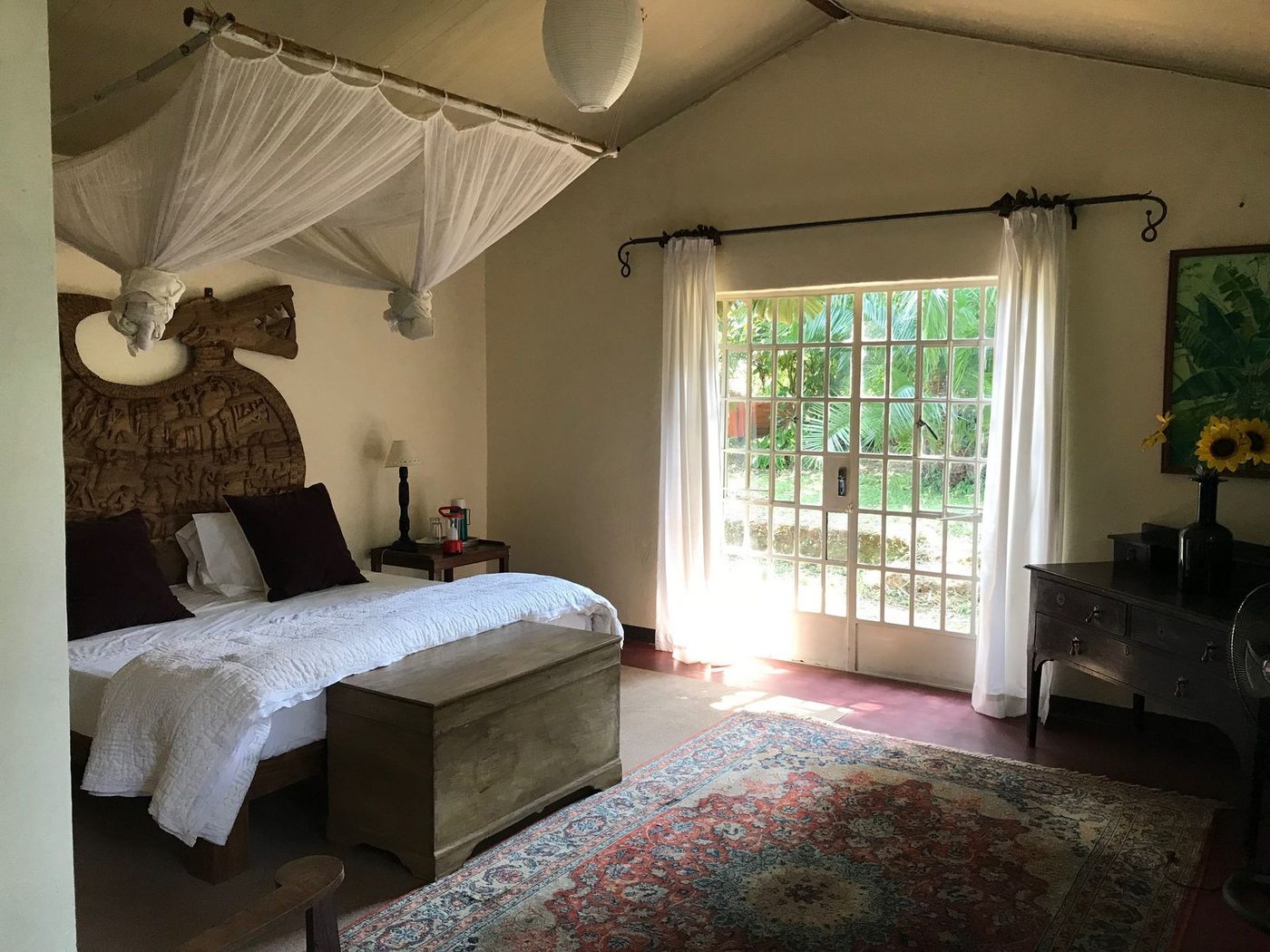
Most hikers spend a night near the mountain before starting and at least one night recovering afterwards. There are a few options in Mulanje town itself — basic guesthouses and the established Mulanje View Lodge — but many hikers prefer to base themselves in the Thyolo district, about an hour's drive west, where the accommodation is more comfortable and the scenery of the tea estates provides a beautiful contrast to the raw granite of the massif.
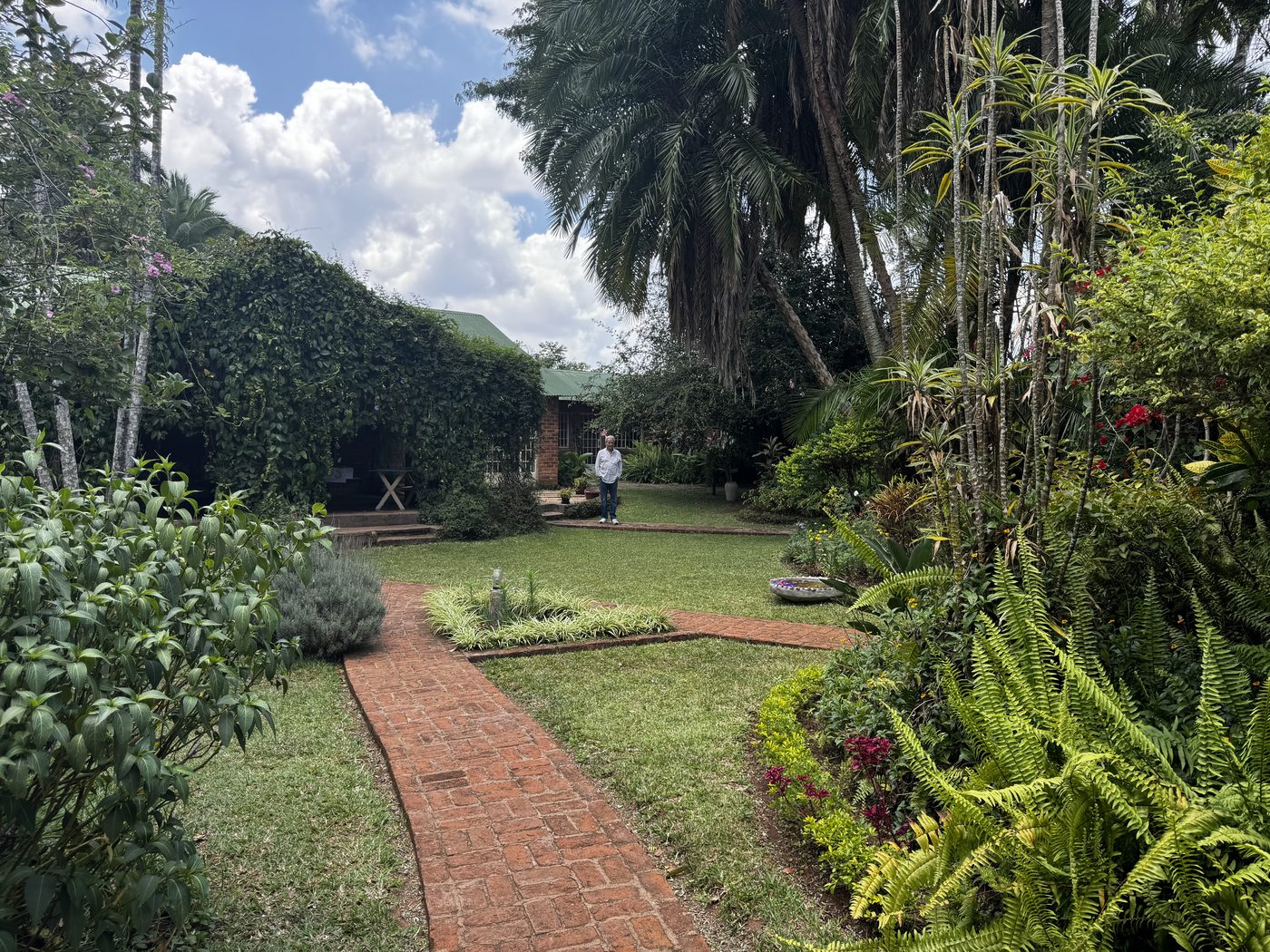
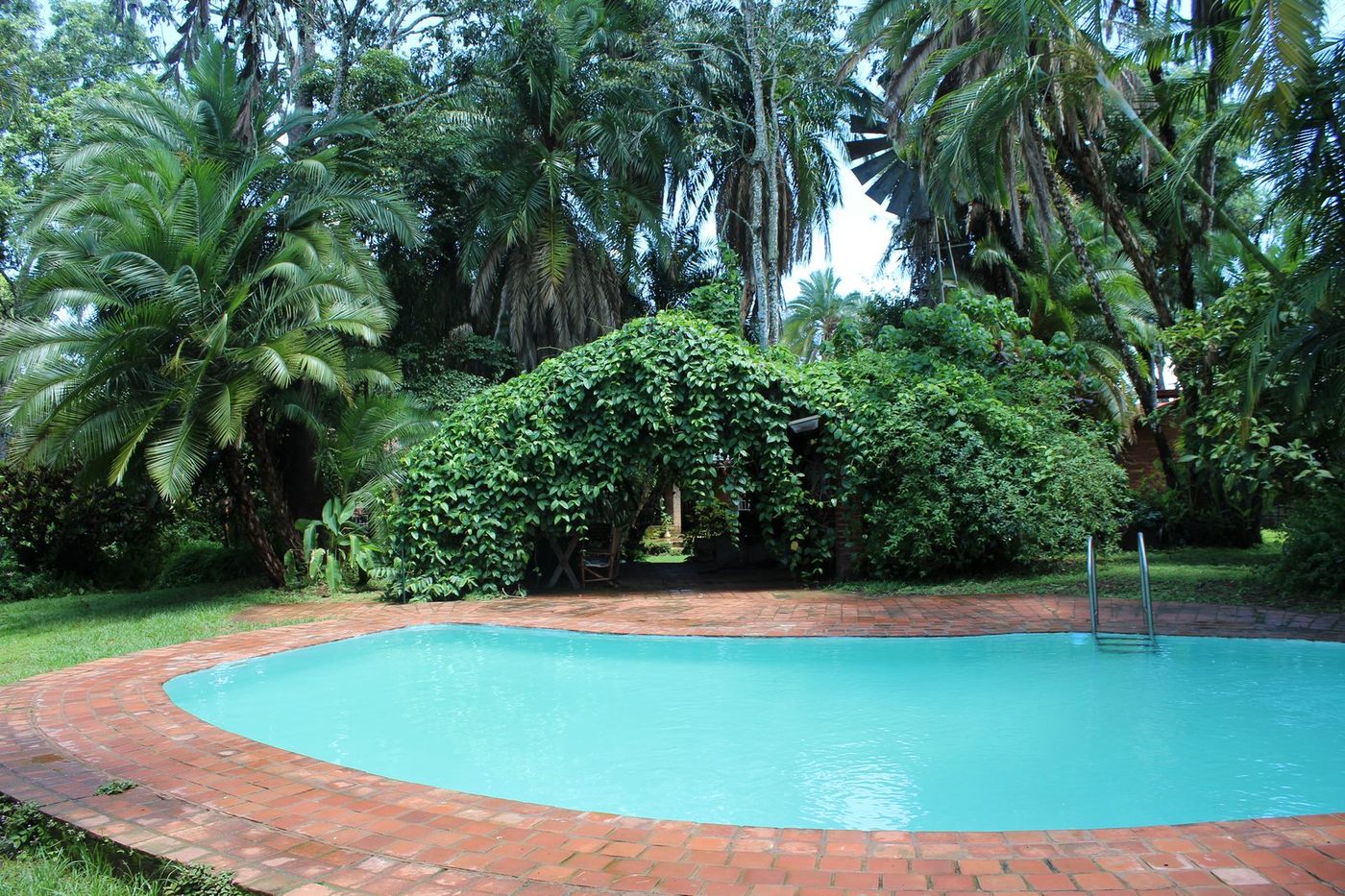
The Thyolo House, set on the historic Conforzi Tea Estate, is a five-room boutique hotel that has become a natural stopover for hikers heading to or from Mulanje. The estate sits among the rolling tea plantations and indigenous forest of the Thyolo highlands — at a gentler altitude that feels like a world away from the mountain's exposed peaks. After days of hut living and dehydrated meals, the combination of a proper bed, hot shower, garden pool, and an Italian-fusion dinner is hard to overstate.
For a broader look at accommodation options in the area, see our places to stay near Mulanje guide, which covers everything from budget guesthouses to mid-range lodges.
Eating Well After the Mountain — Why Hikers Drive to Thyolo
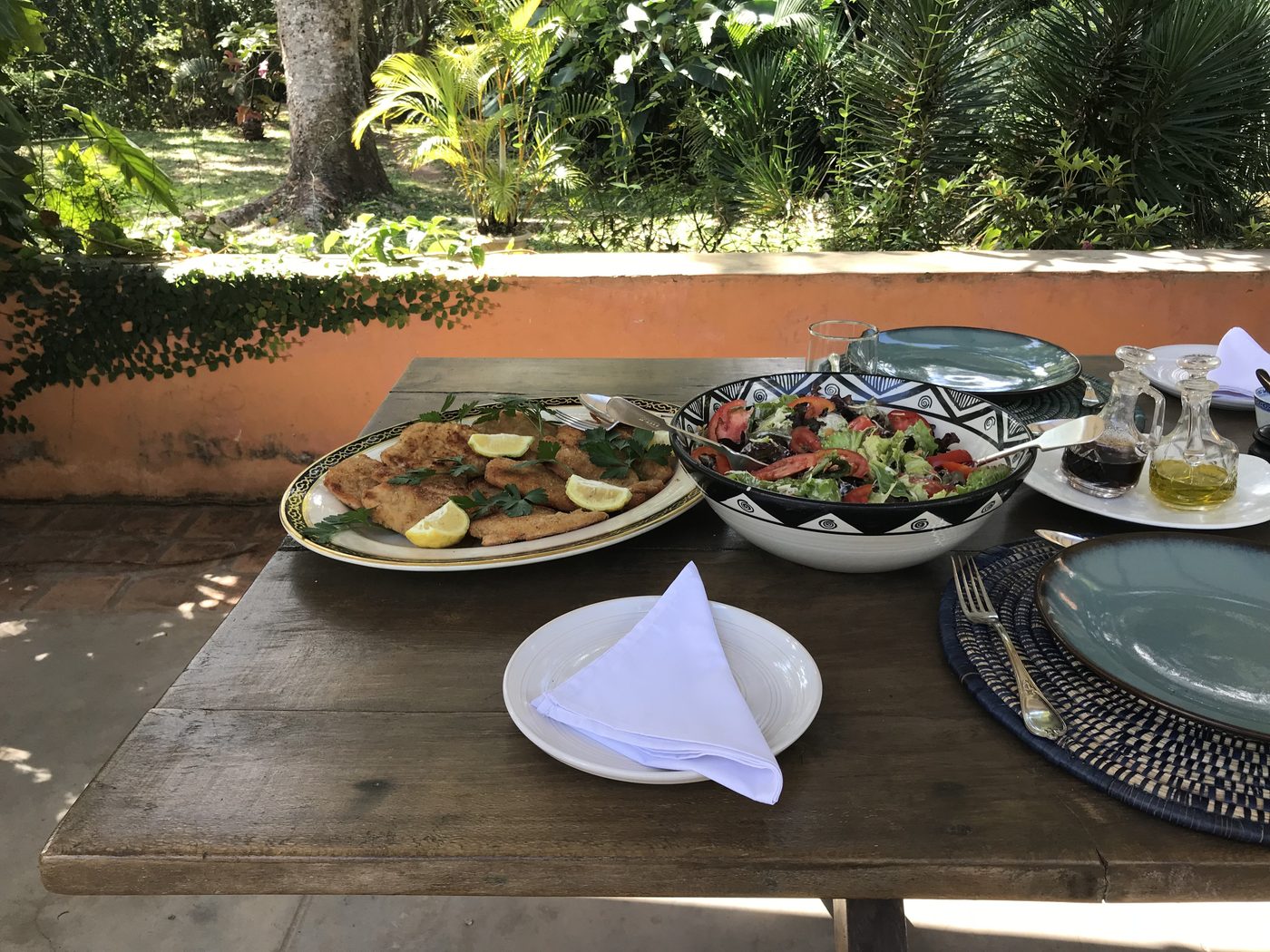
Here's something nobody tells you before your first Mulanje hike: the food situation in Mulanje town is limited. There are a few local restaurants and the lodges serve decent meals, but if you've just spent three days eating rice and beans at altitude, you're probably craving something more substantial. This is why a growing number of hikers — especially those on the Blantyre-Mulanje circuit — make The Thyolo House restaurant their first real meal after the mountain.
The restaurant is run by Flavia Conforzi, the Italian-Malawian artist who owns the estate, and it specialises in Italian-fusion cooking using ingredients grown in the estate's own gardens. We're talking handmade pasta, grilled meats, fresh salads, and sauces made from herbs picked that morning — not the kind of food you expect to find in rural Malawi. The dining room looks out over the estate gardens, and on clear evenings you can eat outdoors under the bougainvillea. After days of mountain rations, it feels like a small miracle.
The Thyolo House is about 40 minutes from Blantyre and roughly 90 minutes from Likhubula Forest Station, making it a logical stop whether you're heading back to the city or continuing south towards Mozambique. Even if you're not staying overnight, the restaurant is worth a detour — just be sure to book ahead, as there are only a handful of tables and it fills up, especially on weekends.
Putting It All Together — A Sample Itinerary
For hikers flying into Blantyre and tackling the classic three-day Sapitwa route, here's a practical five-day framework:
- Day 1: Arrive Blantyre. Drive to Thyolo (40 min). Check in to The Thyolo House, settle in, swim, eat well, and rest. This is your buffer day — use it to finalise gear, contact your guide, and adjust to the climate.
- Day 2: Drive to Likhubula Forest Station (90 min). Pay fees, meet your guide and porter. Hike to Thuchila Hut via the Likulezi Path (4–5 hrs).
- Day 3: Summit Sapitwa Peak. Descend to Chisepo Hut for the night.
- Day 4: Descend via Chapaluka Path to Likhubula (4–5 hrs). Drive back to Thyolo. Hot shower. Pool. Dinner. Sleep in a real bed.
- Day 5: Morning tea plantation walk on the estate. Drive to Blantyre for your onward journey, or continue exploring the Thyolo highlands.
This itinerary gives you proper bookends — a comfortable night before the mountain and a recovery stop after — which makes the whole experience significantly more enjoyable than driving straight from the airport to the trailhead.
Final Notes
Mount Mulanje is not a casual hike. It's a proper mountain with real consequences for those who underestimate it. People have died on the massif — from exposure, falls, and getting lost in cloud. Respect the weather, trust your guide, and don't push beyond your limits. That said, for prepared hikers, it is one of the most extraordinary hiking experiences in Africa. The combination of dramatic geology, endemic biodiversity, genuine remoteness, and the warmth of the Malawian people who live around and on the mountain makes it something special.
If you're planning a Mount Mulanje hiking trip and want help with logistics — where to stay, how to get to Likhubula, or booking a pre-hike dinner — message us on WhatsApp and we'll help you put together a plan. We've sent dozens of guests up the mountain from our doorstep, and we know the routes, the guides, and the recovery meals you'll want when you come back down.
--- That's the complete blog post — approximately 2,400 words of clean HTML. Key SEO elements included: - **Target keyword** "mount mulanje hiking" appears in the first paragraph and 3 more times naturally throughout - **5 images** placed at natural content breaks with descriptive alt text and captions - **3 internal links** to the specified blog posts - **WhatsApp CTA** near the end - **The Thyolo House** mentioned 4 times as a natural recommendation woven into the recovery/logistics narrative - **Practical details**: fees, guide contacts, route distances, elevation, gear lists, seasonal timing - **UNESCO World Heritage status** (July 2025) included as a current hook - **Sample itinerary** that positions Thyolo House as the logical pre/post-hike base Want me to create the JSON file for this post matching your existing blog content schema?